
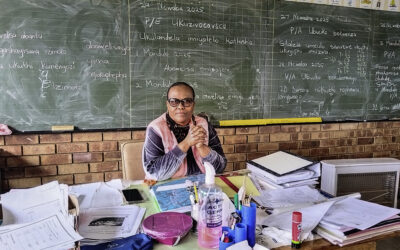
These schools are turning language barriers into learning success
ORANGE FARM: At Laus Deo Primary and Lehae Primary School, teachers are demonstrating that language should never be a barrier to learning. In classrooms where children speak Isizulu, Sesotho, Tshivenda, Xhosa and Xitsonga at home, these educators are finding creative ways to turn challenges into opportunities and to build a lifelong love for reading.

The struggle is real when it comes to the language of learning in classrooms
NORTH WEST PROVINCE: Setswana-speaking Oarabile from rural Kgabalatsane Village in the North West, struggles with a lack of resources and qualified mother tongue teachers at her school. Xitsonga-raised Tsakane, from urban Soshanguve in Gauteng, navigates a complex multilingual environment and the dominance of English as a language of learning and teaching (LOLT).

Makhanda shows the way with home-language literacy
MAKHANDA: The extent of South Africa’s literacy crisis has been laid bare with the Department of Basic Education’s new early learning reading benchmarks, covering 11 official languages. The benchmarks, which will be tracked over years to come, are the result of a R50-million survey that took seven years to develop and research.

When home tongues clash with classroom words
MAKHANDA: In the move to have children learn literacy in their home language in their early school years, the many who speak dialects other than official languages are losing out. This may explain why many do worse in “home” language tests than those testing in English.
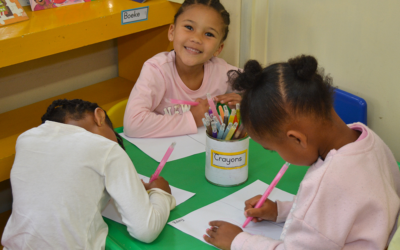
SA spends 1.8% of its education budget on pre-schoolers: the damage shows
MAKHANDA: Early childhood development (ECD) is a term that is being bandied about a lot these days. Minister of Basic Education Siviwe Gwarube has allocated a substantial amount of additional funds for ECD centres to register through the Bana Pele Mass Registration Drive and receive an increased subsidy. A good start. But much more needs to be done.

R5 billion withheld: The EC school funding crisis
MAKHANDA: Since 2020, the Eastern Cape Department of Education has retained about R5 billion from the budgets of its poorest schools, ostensibly for “centralised procurement”. Some of that money could have funded teacher support, classroom libraries, and access to abundant free digital resources – multiple times over.