JOHANNESBURG: South Africa needs more accessible African-language reading material for children as the government works towards a target that every 10-year-old can read for meaning by 2030.
The Department of Basic Education’s Director of Reading, Dr Nompumelelo Mohohlwane, has welcomed the approval of the new Foundation Phase learning and teaching support material catalogue, which she said would increase the number of reading books available to learners.
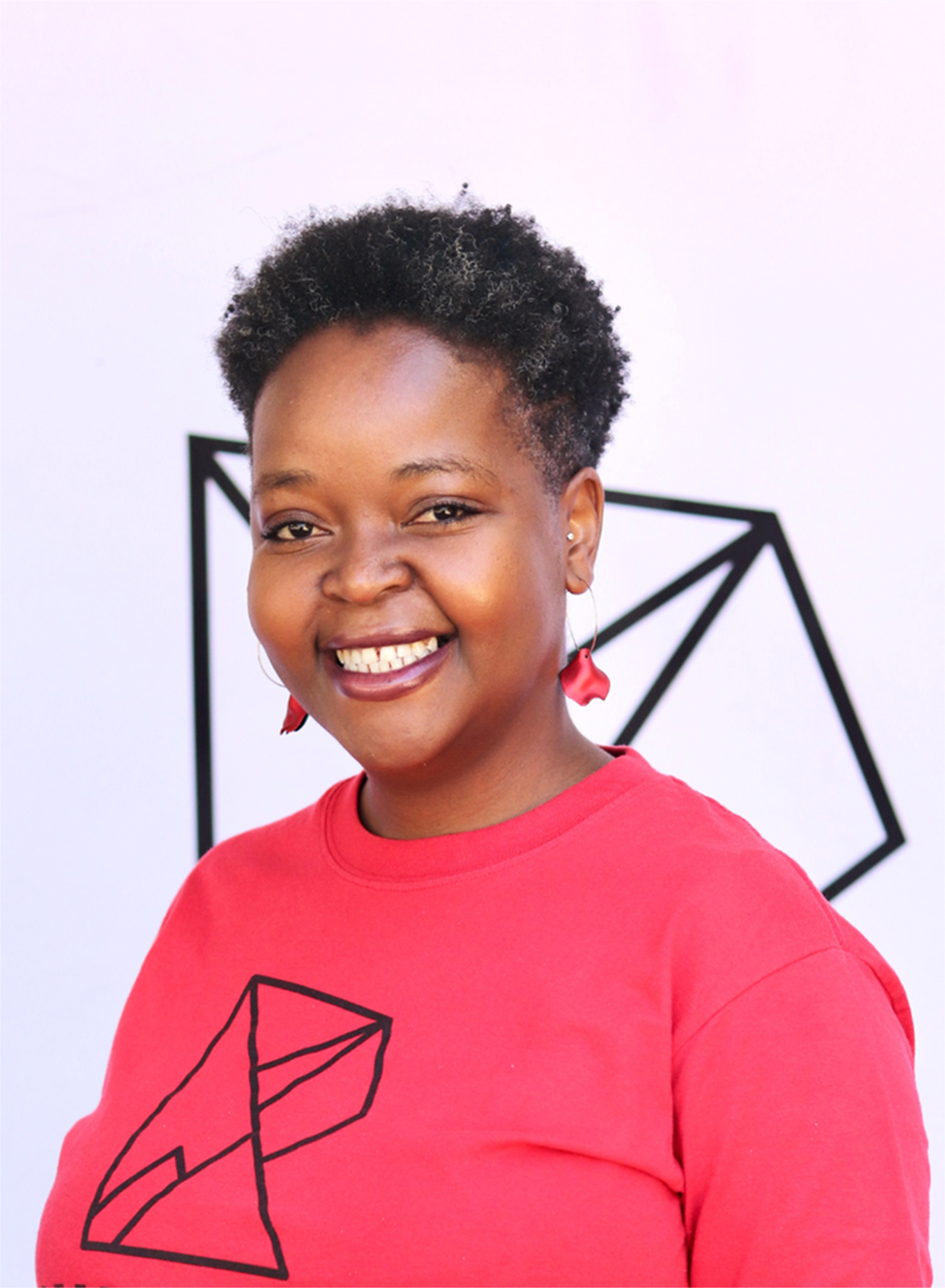
Dr Nompumelelo Mohohlwane. (Photo: Supplied)
The foundation phase catalogue has been beset by delays and suspensions since May this year, following complaints about the procurement process which prompted controversy, investigations and legal reviews. This week the catalogue, estimated to cost a total of R1.6 billion, was given the go-ahead, though defects still need to be corrected.
“We now have a learning and teaching support material catalogue that prioritises the Foundation Phase. There’s been some conversation recently, but it is finalised, and for the first time it prescribes at least 40 readers per classroom, which will be a shared resource amongst children, and at least one individual reader per child,” said Mohohlwane.
Speaking on a panel at the release of the 2026 Teen Pilot Survey of the National Reading Barometer in Gauteng on Wednesday, she said the previous Grade 1-3 catalogue did not set out the same level of reading provisions and was about 14 years old. “So that’s a big advancement in the system”.
South Africa needed more children’s reading material to reach the goal of having every 10-year-old able to read for meaning by 2030, she said.
The department had made changes to how reading was taught in the early grades, including greater coherence around phonics and the sequence in which phonics should be taught in African languages.
There had been improvements in reading, but access to books remained a challenge. “We still need more books that are accessible, targeted and broad in their range; so, books children can relate to from their lived experiences, but also books that introduce them to new ideas and help them imagine what is possible.”
Mohohlwane also welcomed the development of objective reading benchmarks for Grades 1 to 3 in all 11 official African languages. “We’ve invested 10 years into the work, but over the last three years, it’s being finished and finalised. We now have an objective measure of what reading success should look like in grade one and grade two and grade three in African languages,” she said.
It is finalised, and for the first time it prescribes at least 40 readers per classroom, which will be a shared resource amongst children, and at least one individual reader per child.
To reach the 2030 reading target, these key foundational year reading benchmarks, which were previously unavailable, would assist with national measurements and monitoring.
Mohohlwane was referring to the first Funda Uphumelele National Survey (FUNS) of about 28,000 learners across 710 schools, which measured the reading ability of children in grades 1 to 3 in all 11 official languages. Its stark findings included that 15% of children could not read a single word by the end of Grade 3, and only about a third of Grade 1-3 learners reached minimum reading benchmarks.
Mohohlwane said limited libraries and access to books in schools remained a hindrance. “If all children are saying they access books at schools, shouldn’t we bring the books to the children at school? Which is where they are already,” she said.

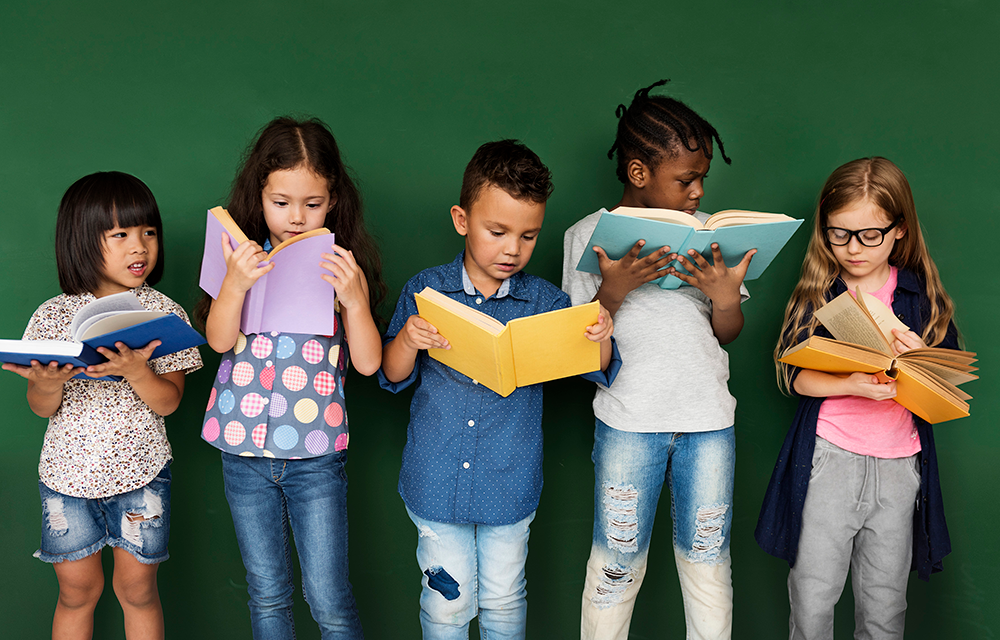
School children pick out books from their class’s reading corner in Cape Town on 28 August 2026. Photo: Shelley Christians/EdDesk
Her comments came as the new teen pilot survey found that teenagers remained broadly positive about reading, despite persistent gaps in access to reading material.
The survey, which covered more than 4,000 school participants, found that about 45% identified themselves as regular or passionate readers. Girls reported reading more often than boys, while reading practice changed little with age. However, reader identity declined among older teenagers.
Almost 60% said they had books at home that they considered their own. Some 95% reported having more than one print book at home, while 75% had more than five.
The survey found that having books at home was associated with reading for enjoyment, with even one to five books making a marked difference to the likelihood of teenagers reading for pleasure.
Presenting the findings, Social Impact Insights Africa founding director Tara Polzer Ngwato said four in five teenagers reported some access to books for personal reading through school, while 40% frequently used the opportunity.
Schools and libraries were identified as the main sources of books, while teenagers also said they would prefer schools and libraries as places to collect free printed reading material.
One of the clearest gaps was in African-language reading. “55% said they preferred to read for enjoyment in an African language, while only 20% said they actually did so,” Ngwato said.
The 35 percentage-point gap points to unmet demand for reading material in African languages.
The survey also found that 45% of teenagers had visited a community library in the previous year, compared with 28% of adults in the 2023 National Reading Survey. Seventeen percent of teenagers said they visited a library at least once a month.
Print remained the preferred reading format, particularly in rural areas. Thirty-nine percent of rural teenagers reported internet access once a week or less, compared with 20% of urban teenagers.
The National Reading Barometer does not measure formal school-based literacy competencies such as comprehension or reading benchmarks. It measures reading behaviour, attitudes and access outside school. Its findings therefore sit alongside, rather than replace, formal literacy assessments.
The 2021 Progress in International Reading Literacy Study found that 81% of South African Grade 4 learners could not read for meaning in any language, up from 78% in 2016.
The National Literacy Strategy and Plan 2024-2030 identifies foundational reading in the early grades as central to the 2030 literacy goal, and stresses reading in all languages.
At the event, National Library of South Africa representative Nokuthula Musa said funding remained a “big challenge” for the library sector.
“I think all of us as a country are experiencing challenges with funding shortfalls for a lot of initiatives. We need to work much harder to support all these initiatives,” Musa said. Provincial libraries had bought more than 155,000 books across age groups across communities, while also responding to increased use of digital platforms.